Eugene Greatman #4
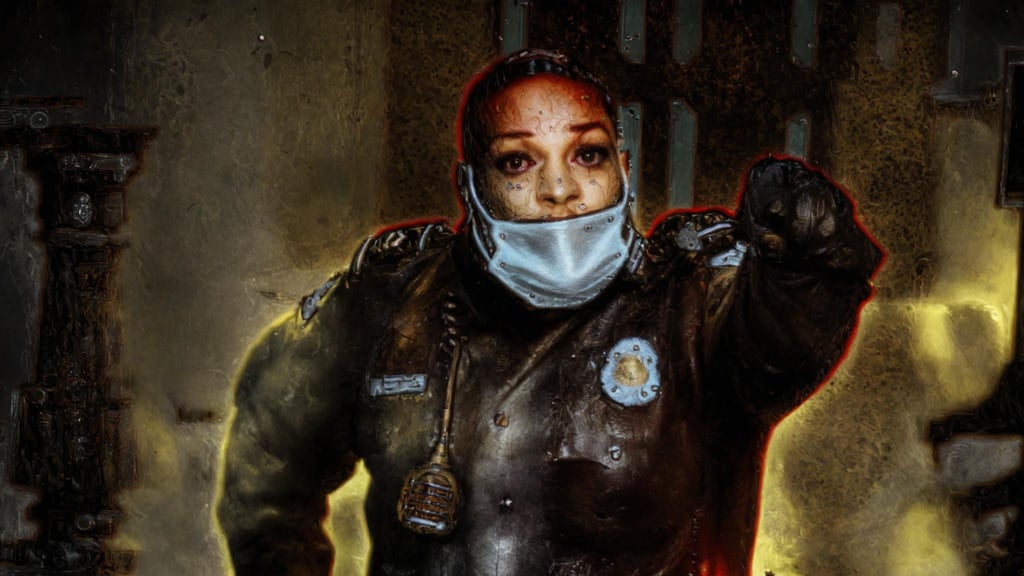
A Hero in the Spotlight - When the last rioter had been driven out of the Capitol, the echoes of the mob’s rage were replaced by an eerie silence. Broken glass crunched underfoot as Eugene Greatman made his way through the rotunda, taking in the devastation. Statues that had stood for decades were smeared with ash and debris. Flags, some meant to represent unity, had been used as weapons and lay discarded on the marble floor. The air still smelled of smoke, chemical irritants, and something else—something bitter, like the aftermath of betrayal.
DJT
1/5/20255 min read
A Hero in the Spotlight
When the last rioter had been driven out of the Capitol, the echoes of the mob’s rage were replaced by an eerie silence. Broken glass crunched underfoot as Eugene Greatman made his way through the rotunda, taking in the devastation. Statues that had stood for decades were smeared with ash and debris. Flags, some meant to represent unity, had been used as weapons and lay discarded on the marble floor. The air still smelled of smoke, chemical irritants, and something else—something bitter, like the aftermath of betrayal.
Eugene lowered his baton and let out a long, shuddering breath. His legs trembled from exhaustion, and his hands were still shaking, though he tried to steady them. He had faced danger before—he’d seen combat in the Army and had handled tense protests as an officer. But this was different. This wasn’t just about protecting a building; it was about protecting democracy itself.
The hours after the attack passed in a haze. Eugene rejoined his fellow officers as they worked to regain control of the Capitol and escort the remaining lawmakers back to finish what had been started—the certification of the Electoral College votes. He stood silently at his post, battered but unbroken, as history moved forward around him. When the final votes were counted and Vice President Pence declared the election results certified, Eugene felt a flicker of relief. Despite everything, democracy had held.
But as dawn broke over Washington, D.C., Eugene knew that what happened that day would follow him forever.
It didn’t take long for the world to learn about what Eugene had done. By the time he returned home that morning, footage of his heroic act had spread across every major news network and social media platform. The grainy video showed him alone, facing down the mob, leading them away from the Senate chamber with nothing but his presence and quick thinking. In a matter of hours, Eugene had become a symbol of resilience and bravery.
When he turned on the television, his own face stared back at him. Reporters called him "the hero of the Capitol" and "the man who saved democracy." Political analysts debated how many lives had been spared because of his actions. Social media exploded with hashtags bearing his name—#GreatmanStandsAlone, #DefenderOfDemocracy, #EugeneTheBrave.
Eugene’s phone buzzed constantly—calls, texts, and emails from friends, family, and strangers. Some messages came from old Army buddies, some from fellow officers, and some from people he had never met who just wanted to say "thank you." But as the calls and messages poured in, Eugene felt something unexpected: discomfort. He hadn’t done what he did for recognition or fame. He had done his job.
Still, the world wasn’t about to let him fade into the background. Within days, Eugene received a call from his supervisor asking if he was willing to speak publicly about his experience. Lawmakers wanted to meet him. Reporters wanted interviews. His face was plastered across newspapers and television screens. There were calls for him to receive the Congressional Gold Medal, the nation’s highest honor for civilians.
Eugene sat on his couch, staring at his phone as another wave of calls came in. His body ached, his mind was foggy, and his heart felt heavy. He thought about the faces of his fellow officers—the men and women who had fought beside him that day, some of whom were still in the hospital recovering from their injuries. He thought about the officers who had taken their own lives in the weeks that followed, unable to bear the emotional weight of what they had endured.
Despite the outpouring of praise, Eugene struggled to see himself as a hero. He had acted out of instinct, driven by a sense of duty that had been instilled in him from a young age. The world was calling him brave, but he couldn’t stop replaying the moments when he thought he wouldn’t make it out alive.
The first time Eugene stepped back inside the Capitol after January 6th, he felt his breath catch in his throat. The halls had been cleaned, the broken windows replaced, but the memories remained. As he walked past the same spot where he had stood alone against the mob, a chill ran down his spine. The sound of their shouts still echoed in his mind, louder than any applause or praise he’d received.
Despite the pain, Eugene chose to return to work. He wasn’t ready to walk away from the job he had dedicated his life to. But with each passing day, he felt the emotional weight pressing down on him. He struggled to sleep, plagued by nightmares that felt too real. In his dreams, he was back in that hallway, pinned between the mob and the Capitol doors, watching the faces of the rioters twist with rage as they surged toward him.
One night, Eugene woke up drenched in sweat, his heart pounding in his chest. He sat on the edge of his bed, staring at the darkness. He hadn’t asked for any of this—the recognition, the fame, the spotlight. But he had no choice. The world had seen what he had done, and now they wanted more than his story—they wanted him to be a symbol.
Despite his discomfort, Eugene knew that speaking out wasn’t just about him—it was about the truth. In the weeks that followed, congressional hearings began to investigate the attack. Eugene was asked to testify, and though he was reluctant to relive the worst day of his life in front of the world, he agreed.
On the day of his testimony, Eugene stood before a packed chamber filled with lawmakers, reporters, and spectators. He adjusted the microphone and took a slow, steady breath. He was back in the same uniform he had worn on January 6th, though now, his badge felt heavier somehow.
When he began to speak, the room fell silent. His voice was calm but resolute as he recounted the events of that day. He described the chaos, the fear, and the moment he made the decision to lead the mob away from the Senate chamber.
"I didn’t have time to think about what could happen to me," Eugene said. "I only knew that I had to keep them away from the people behind that door."
His words cut through the chamber like a blade. Lawmakers wiped away tears, and even the most hardened reporters shifted uncomfortably in their seats. Eugene’s testimony wasn’t just a recounting of the attack—it was a reminder of what it meant to serve, to stand between danger and those who couldn’t protect themselves.
When he finished speaking, the room erupted into applause. But Eugene didn’t smile or bask in the praise. He stepped back from the microphone, his posture steady but his eyes weary. He wasn’t there for recognition—he was there to honor the truth.
In the months that followed, Eugene continued his work quietly, though the world wasn’t ready to let him return to anonymity. He received invitations to award ceremonies, news interviews, and honorary events. But Eugene declined many of them, choosing instead to spend time with his family and close friends. He didn’t want to be remembered for a single moment—he wanted to be remembered for his character.
Despite his humility, Eugene’s actions continued to inspire. He became a symbol not just of bravery but of the quiet strength that holds democracy together. His story was taught in classrooms, shared in documentaries, and written about in history books. But to Eugene, his legacy wasn’t about fame or medals—it was about knowing he had done the right thing when it mattered most.